

By Yan Chang | Pixel Insight | Beijing, Dec. 14, 2025
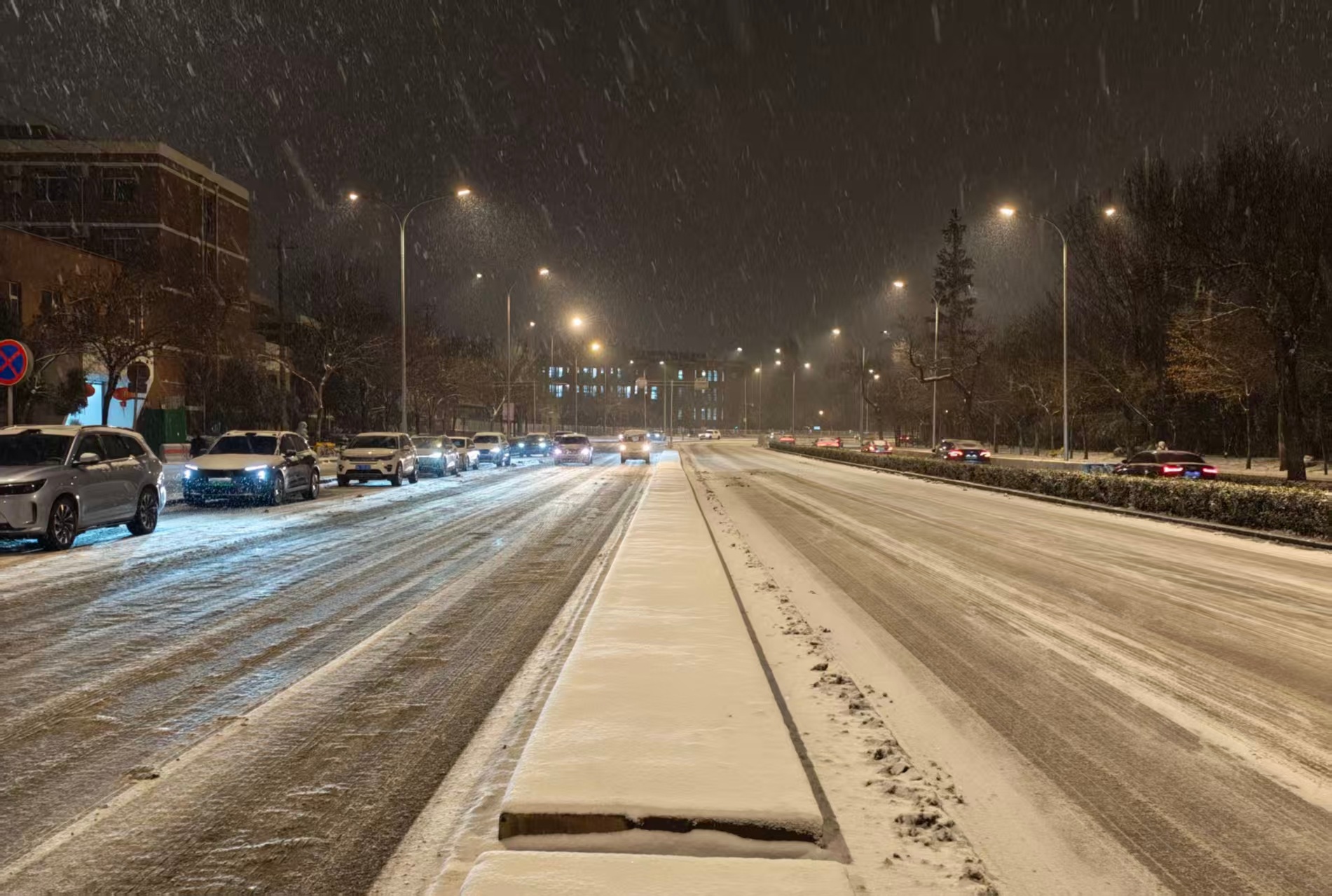
On Dec. 12, snow fell across Beijing. By evening, the city was wrapped in a familiar winter quiet, softened by thick white layers settling on streets, rooftops, and open spaces.
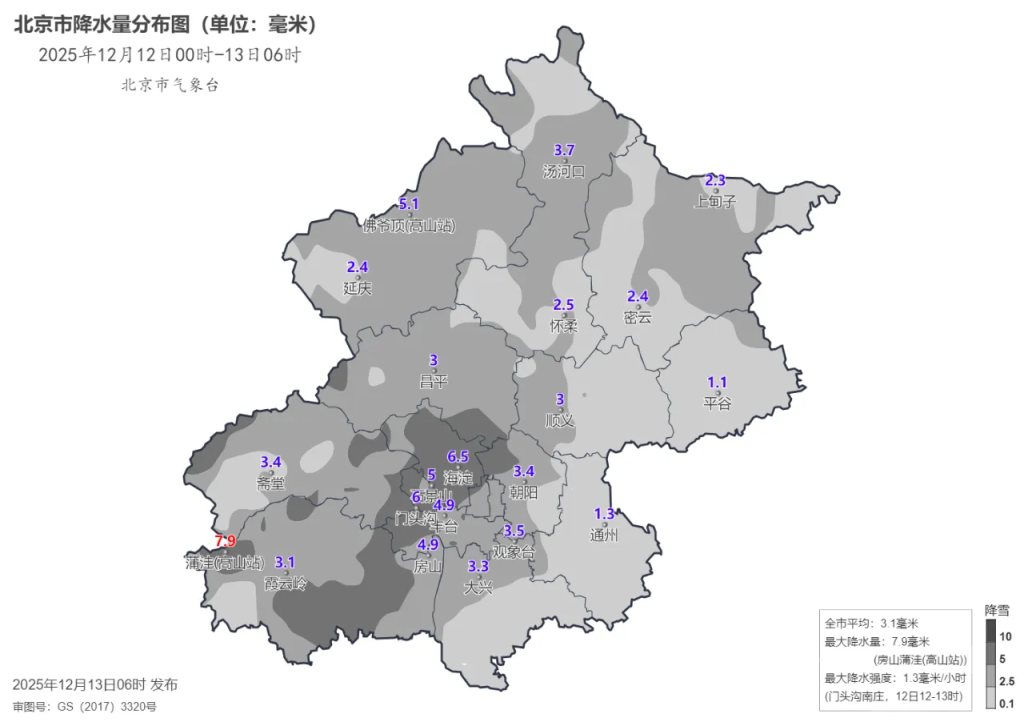
At Tsinghua University, the Zijing Playground quickly turned into a snow-covered field of laughter. Students gathered to throw snowballs, take photos, and enjoy a rare pause from academic routines. Footprints crisscrossed the ground, and the snow felt soft underfoot.
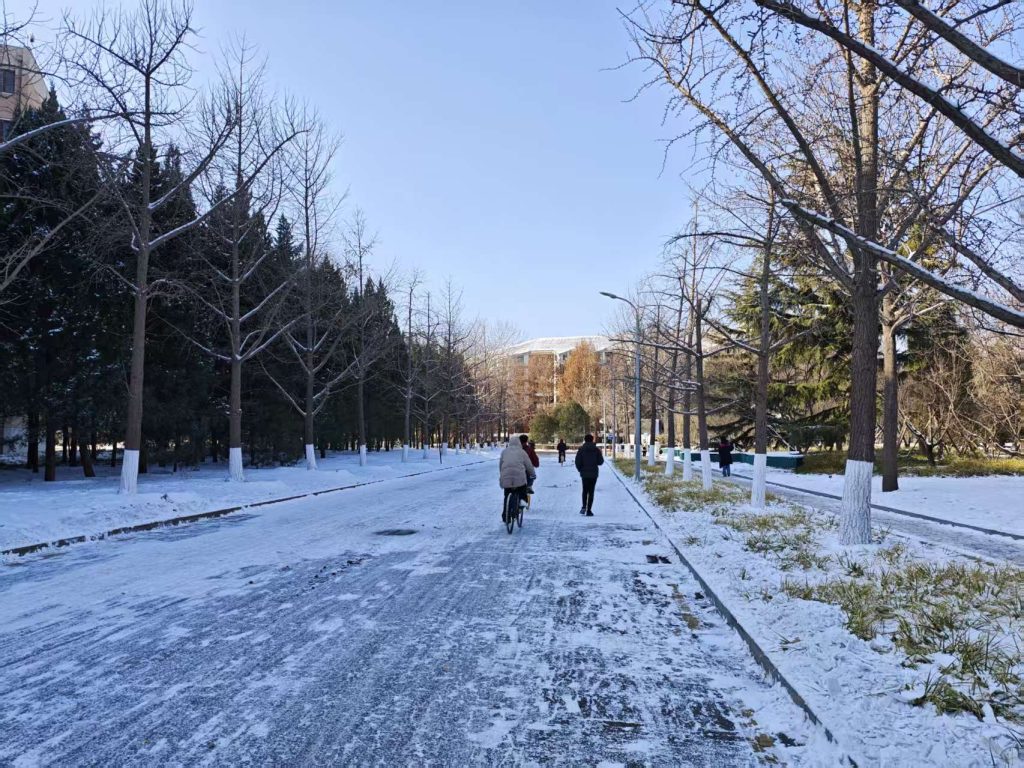
But by the next day, Dec. 13, the atmosphere had subtly changed. While the joy of snowfall remained, many roads, sidewalks, and campus paths were still covered with visible snow and ice. In some areas, clearing was incomplete, and snow lingered far longer than Beijing residents had come to expect. According to The Beijing News, by the afternoon of Dec. 13, Jishuitan Hospital had treated 170 orthopedic patients following the snowfall, with a large share involving e-bike riders and young people who slipped while taking photos.
For a city known for its rapid response to winter weather, this raised a question: why hadn’t the snow melted away as quickly as before?
The answer lies not in delayed management or reduced effort, but in a deliberate shift in how Beijing deals with snow.
The Previous Response
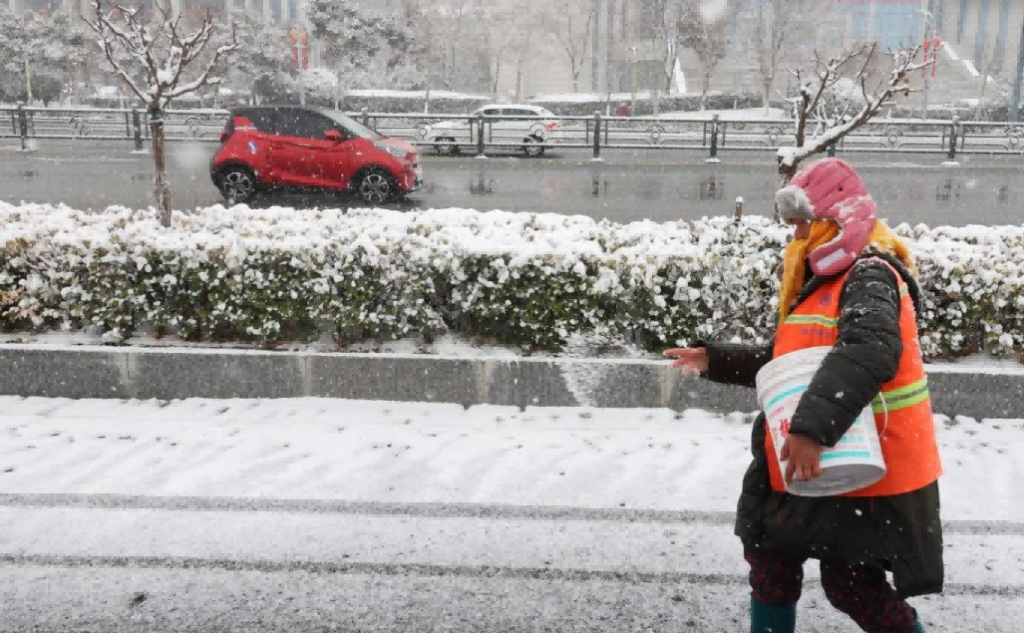
In previous winters, snow in Beijing often disappeared within hours. Deicing salt, commonly referred to as snow-melting agents, was widely applied to roads and pavements. Large amounts of white granular material were spread across streets, quickly melting snow in surrounding areas and making driving and walking easier.
While effective, this approach came with trade-offs that were rarely visible in the short term.
The Hidden Costs
Deicing salt is effective because it lowers the freezing point of water, allowing snow and ice to melt even in low temperatures. In dense urban environments, this efficiency has made it the default choice for decades. Yet its side effects are increasingly difficult to ignore.
Environmental damage is one major concern. When salt dissolves, it does not disappear. Instead, it enters soil, waterways, and groundwater systems. According to the World Economic Forum, elevated salinity from road salt can damage urban vegetation and disrupt aquatic ecosystems. Cao Jixin, director of the Soil and Water Research Institute at the Beijing Academy of Landscape and Greening Sciences, has also warned that repeated exposure weakens roadside trees and degrades soil quality over time.
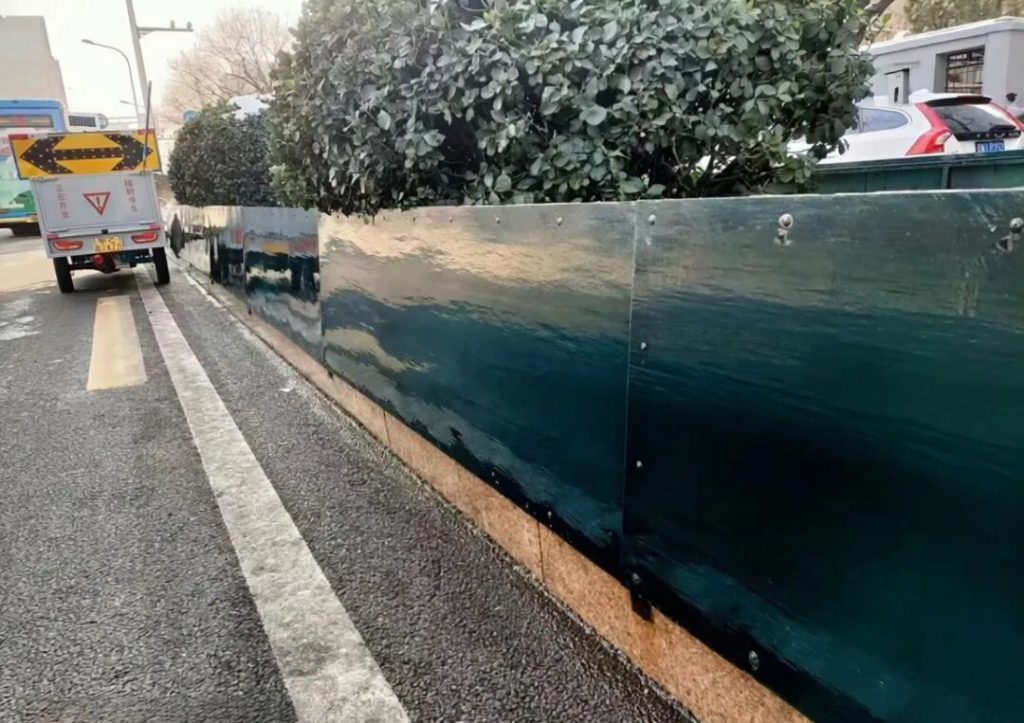
Infrastructure corrosion is another serious issue. According to research published in the journal Total Corrosion Control by Zhang Taoying, salt accelerates the corrosion of steel and concrete, affecting bridges, roads, and underground pipelines. While a single winter’s use may seem insignificant, repeated exposure year after year shortens the lifespan of infrastructure and increases long-term maintenance costs.
In this sense, deicing salt offers a classic example of short-term convenience creating long-term expense. The snow melts quickly, traffic resumes faster, but the city quietly accumulates environmental and structural damage that must be paid for later.
From Speed to Sustainability
Reducing deicing salt does not mean abandoning snow control. Instead, Beijing is adopting a more labor-intensive but environmentally cautious approach.
According to Beijing Daily, small snow-removal machines are used to physically push and collect snow, especially in residential streets, sidewalks, and pedestrian-heavy areas. Manual cleaning fills in the gaps, particularly where machinery cannot operate efficiently. While this approach requires more time and manpower, it avoids introducing large amounts of chemicals into the urban environment.
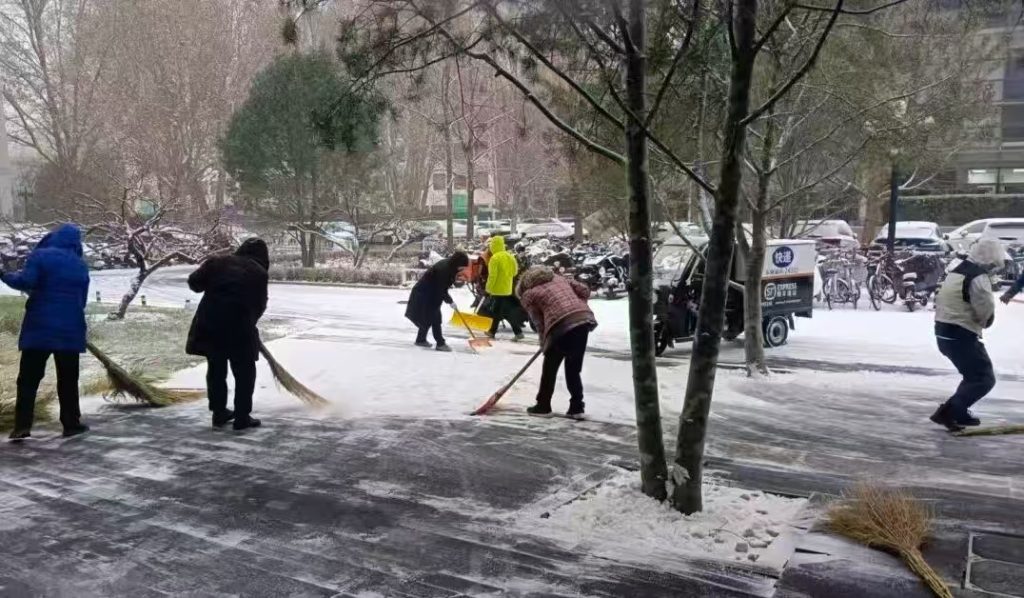
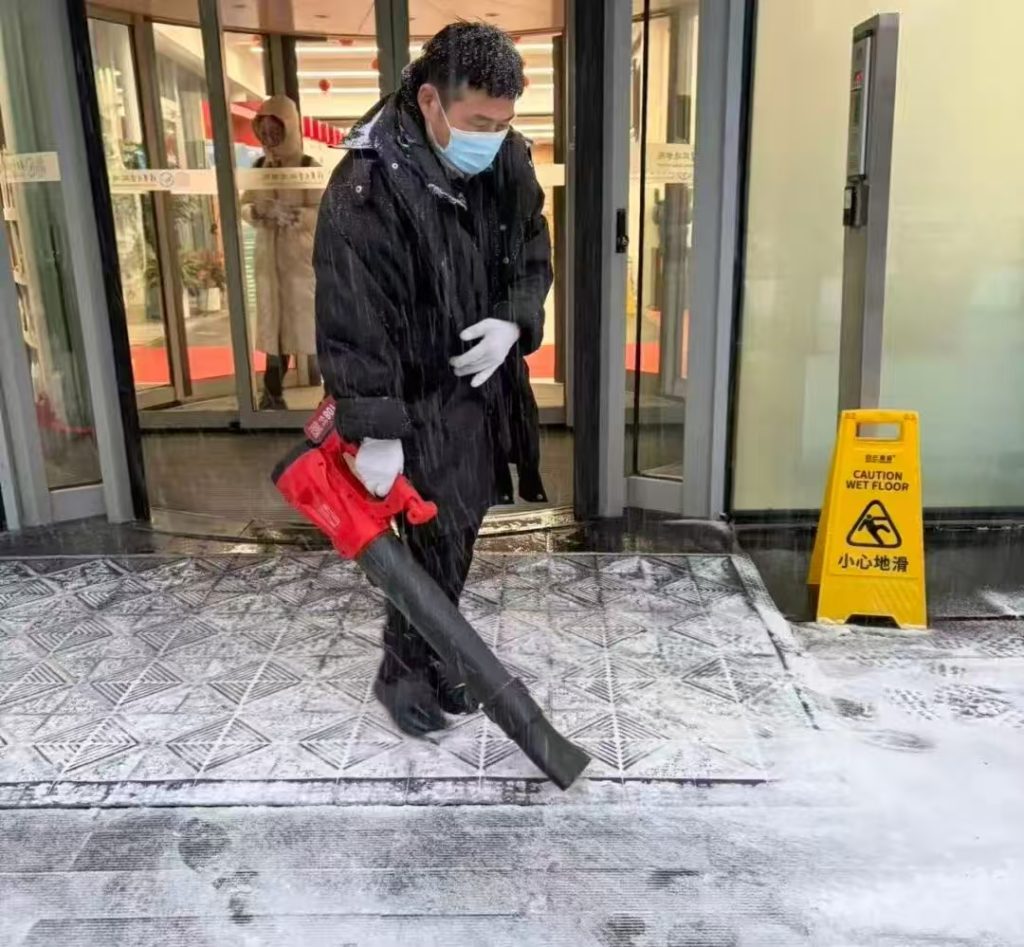
The slower pace is noticeable. Snow-covered sidewalks may remain slippery for longer periods. Commuters must walk more carefully. For residents accustomed to chemically cleared roads, the lingering snow can feel inconvenient.
Yet this inconvenience reflects a conscious trade-off: accepting temporary discomfort to reduce long-term harm.
Governance by Design, Not by Accident
Snow lingering on Beijing’s streets this winter reflects a deliberate shift in urban governance. The city is moving away from prioritizing immediate visual cleanliness and toward managing long-term environmental and infrastructural risk.
By reducing the use of deicing salt and relying more on mechanical removal and manual labor, Beijing has chosen transparency over invisibility. Snow is cleared gradually in ways residents can see and understand, rather than disappearing overnight through chemical means that leave lasting damage behind.
Letting snow melt more slowly is not a failure of governance. It is evidence of a city learning to plan beyond the next snowfall.