
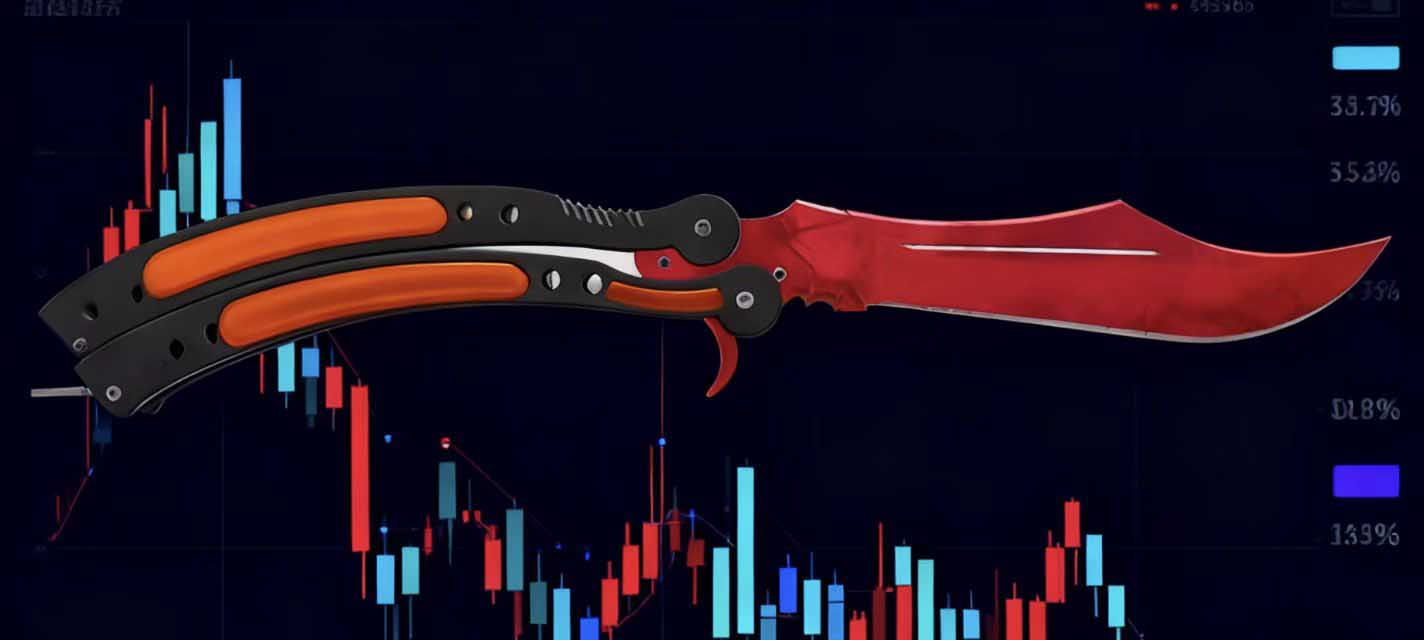

By Yan Chang | Pixel Insight | Beijing, Oct. 25, 2025
The secondary market for Counter-Strike weapon skins, once seen as one of gaming’s most stable virtual economies, plunged this week after developer Valve Corp. introduced a new crafting system that sharply increased the supply of rare items.
The update for Counter-Strike 2 (CS2), successor to Counter-Strike: Global Offensive (CS:GO), lets players turn high-tier skins into rarer knives or gloves. These items were among the most coveted in the game, often treated as “virtual luxury goods” for their scarcity and resale value.
Hours after the update, Steam’s Community Market and other platforms were flooded with listings as players rushed to sell. Several websites slowed under the surge in activity, reflecting widespread panic.
For years, CS:GO’s trading system had worked like a small stock exchange. Its T+7 rule, which requires players to hold an item for seven days before resale, limited liquidity and amplified price swings. That setup made the sell-off even sharper.
Valve’s new feature broke that balance. The jump in supply sent prices tumbling across categories, leaving collectors and speculators with inventories that lost much of their value overnight.
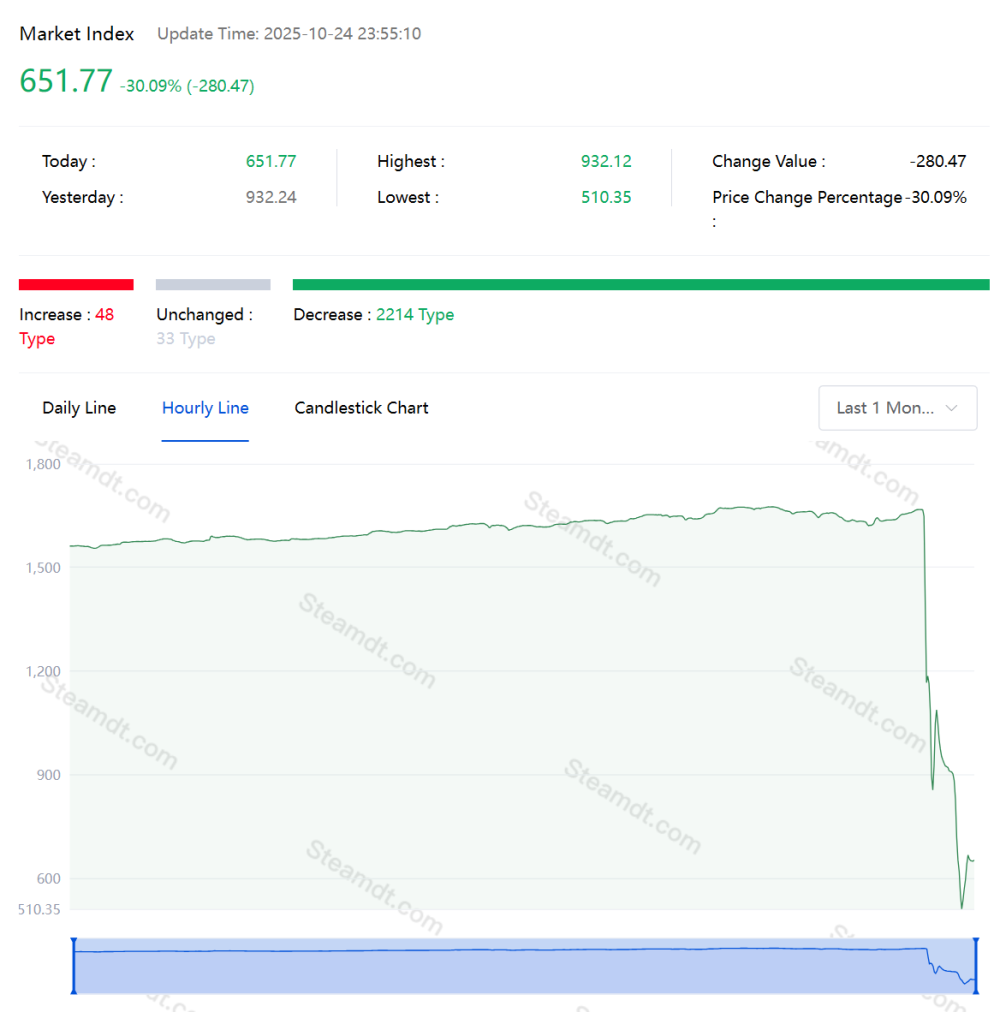
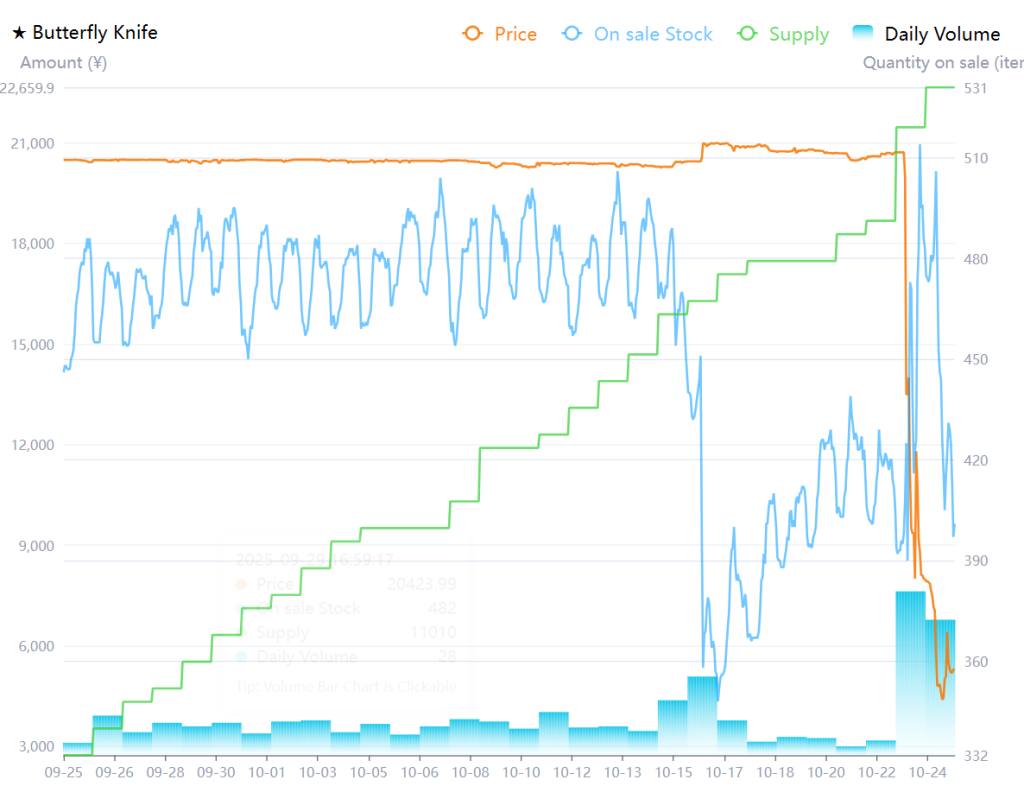
According to SteamDT.com, the overall market index stood at 651.77 as of 23:55 p.m. on Oct. 24, down 30.09 percent for the day. The Butterfly Knife, one of the most watched skins, fell from about $2,937 to $728.
Players compared the crash to a government suddenly allowing 5 grams of silver to be exchanged for 1 gram of gold, instantly devaluing what was once precious.
Valve has not commented on the collapse. The event underscores the fragility of virtual economies built on scarcity and investor confidence, showing how digital rarity can vanish with a single software patch.